
The inspector says one word, and the whole sale feels different.
Polybutylene.
If your Las Vegas house was built in the late 1970s, the ’80s, or the early ’90s, there’s a real chance it has this gray plastic plumbing somewhere in the walls. A lot of homes from the valley’s big building boom do.
Here’s the good news. Polybutylene pipes don’t make a house unsellable. They change who’s comfortable buying it, and how.
What Polybutylene Actually Is
Polybutylene was a cheap, flexible plastic pipe used for water supply lines from roughly 1978 to the mid-1990s. Builders liked it because it was fast to install.
The problem showed up later. Over time, the oxidants in treated municipal water can wear the pipe and its fittings down from the inside. The pipe often looks fine right up until it splits or a fitting lets go.
That’s why it worries people. Not because it’s leaking today, but because nobody can tell you when it might.
How to Tell If You Have It
You don’t have to tear anything open to get a first look. Check:
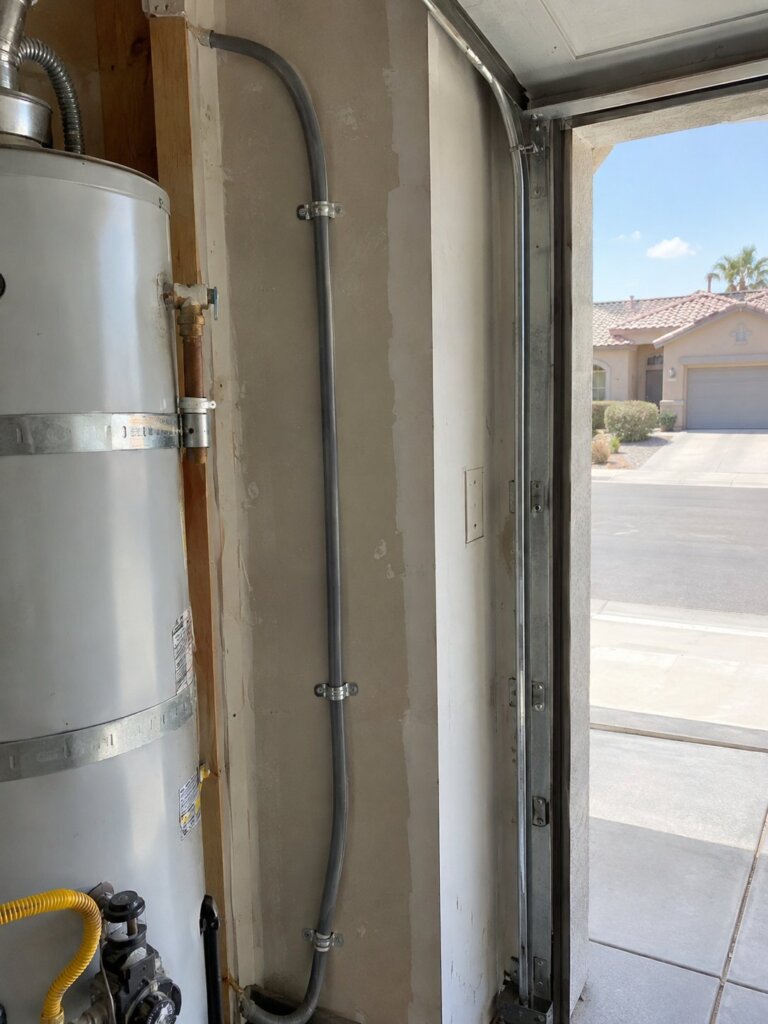
- the lines coming into and out of your water heater
- under sinks, near the shutoff valves
- where the main line enters the house
Polybutylene is usually gray and flexible. The surest sign is a “PB2110” stamp printed along the pipe. If you’re not sure, a plumber or home inspector can confirm it quickly.
Why It Can Complicate a Traditional Sale
Polybutylene isn’t illegal, and having it doesn’t break any rule on its own. But it does tend to cause friction once a financed buyer gets involved.
During a traditional sale, it can:
- show up as a flagged item on the inspection report
- make the buyer’s insurance company hesitate, add an exclusion, or decline coverage
- lead to repair requests or a lower renegotiated price
- spook buyers who’ve heard horror stories
Insurance is often the bigger hurdle. A buyer needs coverage to close on a loan, so if their carrier balks, the deal can stall even when the pipes have never leaked.
What About Disclosure?
In Nevada, sellers fill out a Seller’s Real Property Disclosure form, and it asks about the plumbing. If you know the house has polybutylene, or that it’s leaked, that belongs on the form.
Disclosing it is the honest move, and it protects you. Hiding a known problem tends to create a much bigger one after closing. If you have questions about what to disclose, a real estate attorney can walk you through it.
Your Realistic Options
Most sellers end up choosing one of three paths:
- Repipe first. You replace the supply lines, usually with PEX or copper, then list. It removes the objection, but it costs real money, takes time, and often means patching drywall afterward.
- List and negotiate. You disclose the pipes and expect buyers to ask for credits or a lower price.
- Sell as-is. You sell to a buyer who isn’t relying on a lender or an insurance approval to close.
The federal class action that once paid for some replacements closed to new claims years ago, so for most owners, a repipe today comes out of pocket.
When Selling As-Is Makes More Sense
Repiping can make sense if you plan to stay, or if the rest of the house is in great shape.
But if you’re already planning to move, or the house has other aging systems too, putting money into the walls of a home you’re leaving doesn’t always add up. That’s especially true if there’s been a leak and you’re also dealing with water damage. We cover that side of things in our post on selling a house with a slab leak.
Selling the house as it stands lets some homeowners skip the repipe, the insurance back-and-forth, and the inspection renegotiation entirely.
A Practical Next Step
At Fast Ready Offer, we’ve purchased 80+ homes in Clark County, and plenty of them were built right in the polybutylene era. We buy houses as-is, with no repairs, no cleaning, and no agent fees, and because we pay cash, there’s no lender or insurance approval holding up the closing.
If you’d like to compare a direct sale against the cost of repiping first, you can request a no-obligation cash offer and look at both options side by side.
Close on your terms.
Frequently Asked Questions
Is it legal to sell a house with polybutylene pipes in Nevada?
Yes. Polybutylene isn’t banned, and there’s no rule that it has to be replaced before a sale. It should be disclosed if you know about it.
How do I know if my Las Vegas house has polybutylene?
Look for gray, flexible plastic supply lines near the water heater, under sinks, or at the main shutoff. A “PB2110” stamp on the pipe is the clearest sign. A plumber or inspector can confirm it.
Will a buyer’s lender refuse the loan because of polybutylene?
Usually the pipe material itself isn’t the issue for the loan. The bigger hurdle tends to be the buyer’s homeowners insurance, which a lender requires before closing.
Can I still get homeowners insurance with polybutylene pipes?
Sometimes. Some carriers will cover it, others may add a water-damage exclusion, raise the premium, or decline. It varies by company.
Does the old polybutylene class action still pay for repairs?
For most homeowners, no. That settlement closed to new claims years ago.
Do I have to replace the pipes before I sell?
No. You can repipe, sell with a price adjustment, or sell as-is to a cash buyer. The right choice depends on your timeline and budget.
Will Fast Ready Offer buy a house that has had leaks from polybutylene pipes?
Yes. We buy houses as-is, including homes with plumbing problems or past water damage.