
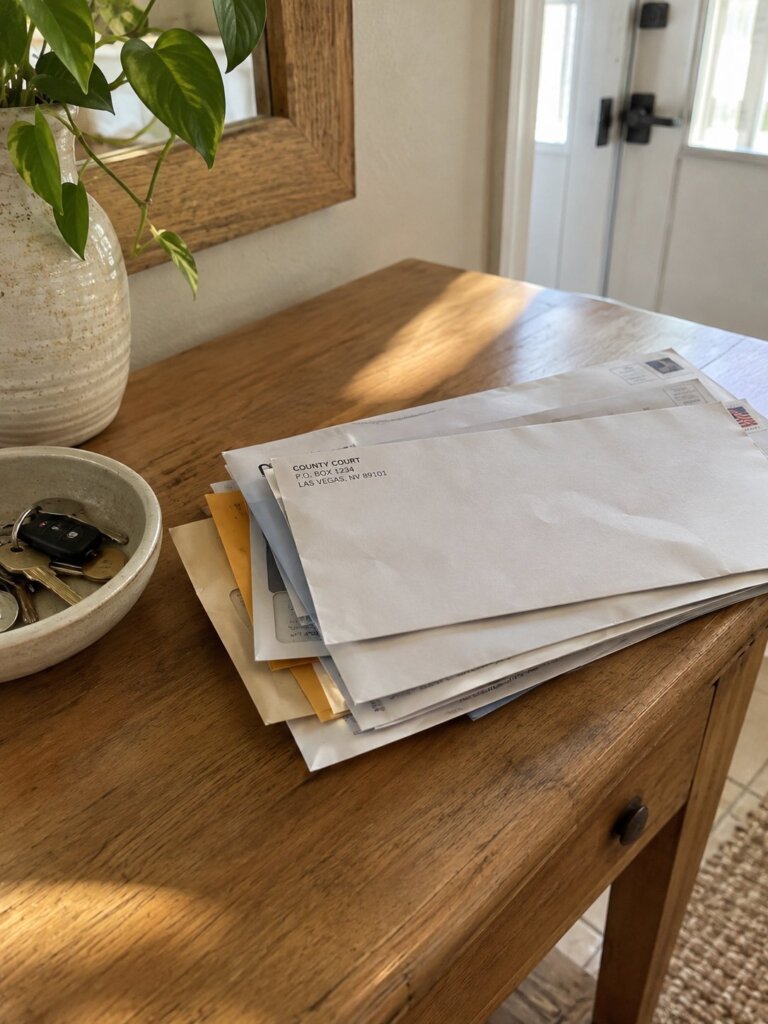
Maybe it was an old credit card. A medical bill. A contractor dispute that ended up in court.
You may not have thought about it in years. Then you go to sell your house, and the title company finds it: a judgment lien.
It feels like the sale just hit a wall.
Usually, it hasn’t. A judgment lien changes how the sale works, but in most cases it doesn’t stop it.
What a Judgment Lien Is
When a creditor sues and wins, the court issues a judgment. That’s a ruling that you owe the money.
In Nevada, a judgment doesn’t attach to your house automatically. It becomes a lien once the creditor records it, along with an affidavit, with the county recorder where the property is. For a Las Vegas home, that’s the Clark County Recorder.
Once it’s recorded, the lien sits on the title. It doesn’t force a sale. It just has to be dealt with before the house can change hands with clean title.
How Long It Lasts
A Nevada judgment lien lasts six years. The creditor can renew it before it expires, and can keep renewing it.
So waiting it out isn’t a reliable plan. Many creditors renew on schedule.
The lien can also reach other real estate you own, or buy later, in a county where it’s recorded, for as long as it stays active. Selling one house and buying another nearby doesn’t leave it behind.
How It Gets Handled When You Sell
This is the part most people don’t expect. You usually don’t have to pay the judgment out of pocket before selling.
Here’s how it typically works:
- the title company finds the lien during its title search
- they request a payoff amount from the creditor
- the lien is paid out of your sale proceeds at closing
- the creditor releases the lien, and the buyer gets clean title
As long as there’s enough equity to cover your mortgage, the judgment, and any other liens, the sale moves forward much like any other.
When the Numbers Are Tight
Sometimes there isn’t enough equity to pay everyone in full.
In that case, sellers sometimes negotiate with the creditor. Some creditors would rather accept a reduced payoff now than wait years to collect. There’s no guarantee they will, but it’s often worth asking.
Nevada also has a homestead exemption that can protect a significant amount of equity in a primary residence, up to $605,000. How it applies to your situation depends on details, so that’s a question for a Nevada attorney, ideally before you accept an offer.
What If the Judgment Isn’t Yours?
It happens more than you’d think. Someone with the same or a similar name has a judgment, and it shows up on your title search.
That doesn’t mean you owe it. Title companies have a standard way to sort this out, usually by having you sign a statement confirming you’re not the person named. It can add a little time, but it’s usually fixable.
Other Liens Often Come Along
A judgment lien rarely shows up alone. Homeowners dealing with one are often also behind on property taxes, HOA dues, or a second mortgage.
Each one gets paid in order at closing. Our post on selling a house with a lien on it walks through how different types of liens are prioritized.
This is general information, not legal or financial advice. Your title company or an attorney can tell you exactly what’s on your title.
When a Direct Sale Makes More Sense
A traditional sale already has a lot of moving parts. Add a judgment, a payoff negotiation, and possibly repairs, and it can drag on for months.
A direct sale keeps it simpler. There’s no buyer’s lender to satisfy, no repair requests, and no showings while you’re trying to sort out the paperwork.
At Fast Ready Offer, we’ve purchased 80+ homes in Clark County, and we buy houses as-is, liens and all. We work through a title company like any sale, the liens are paid at closing, and there are no agent fees or commissions taken out of what’s left.
If you want to see where you’d land after the lien is paid, you can request a no-obligation cash offer and compare it with your other options.
Close on your terms.
Frequently Asked Questions
Can I sell my house if there’s a judgment lien on it?
Yes, in most cases. The lien is typically paid from your sale proceeds at closing, and the creditor then releases it.
How long does a judgment lien last in Nevada?
Six years from when the judgment was entered or last renewed. Creditors can renew it before it expires, and can keep renewing it.
Do I have to pay the judgment before I list or sell?
Usually not. The title company requests a payoff and handles it at closing.
What if I don’t have enough equity to pay off the judgment?
Sellers sometimes negotiate a reduced payoff with the creditor. It isn’t guaranteed, but some creditors prefer being paid now. An attorney can help with that conversation.
Does Nevada’s homestead exemption protect my house from a judgment lien?
It can protect a significant amount of equity in a primary residence, but how it applies depends on your specific situation. Ask a Nevada attorney.
What if the judgment belongs to someone with the same name?
Title companies have a standard process for this, usually a signed statement that you aren’t the person named in the judgment.
Will a cash buyer purchase a house with a judgment lien?
Yes. We buy houses with liens. The sale goes through a title company, and the liens are paid at closing.