
You hired a contractor. Something went wrong — a payment dispute, a job that stalled, a subcontractor who says they never got paid.
Then a notice shows up saying there’s a lien on your house.
If you were planning to sell, that can feel like the whole plan just froze. It usually hasn’t. A mechanic’s lien makes a sale more complicated, but it doesn’t make it impossible.
What a Mechanic’s Lien Is
A mechanic’s lien is a claim against your property by someone who says they weren’t paid for work or materials on it.
That can be:
- a general contractor
- a subcontractor, like a plumber or electrician
- a supplier who delivered materials
- sometimes an equipment rental company
Here’s the part that surprises a lot of homeowners: a subcontractor can sometimes file a lien even if you already paid the general contractor. If the money didn’t make it down the chain, the claim can still land on your property.
Once the lien is recorded with the county, it shows up on title. That’s why it matters when you sell.
How Nevada Mechanic’s Liens Work
Nevada has specific timelines for these liens. In general terms:
- A lien usually has to be recorded within 90 days after the work was finished or the claimant’s last work or materials were provided.
- After it’s recorded, the claimant generally has 6 months to file a lawsuit to enforce it.
- If they don’t, the lien generally stops binding the property, unless both sides signed and recorded an extension.
There’s also a way to release a lien from the property by recording a surety bond, which moves the dispute off your house and onto the bond.
These rules have details and exceptions. If you’re dealing with a lien right now, a Nevada construction or real estate attorney can tell you exactly where yours stands.
Why a Lien Gets in the Way of a Sale
When you sell, the title company searches for anything recorded against the property. A mechanic’s lien will show up.
Most buyers — and their lenders — want clear title before closing. That usually means the lien has to be resolved first.
It can stall a traditional sale in a few ways:
- the buyer’s lender won’t close with an open lien on title
- the buyer gets nervous and asks for a lower price or backs out
- the dispute takes longer to sort out than the buyer is willing to wait
None of that means you’re stuck. It means the lien needs a plan.
How Liens Are Usually Handled at Closing
In many sales, a mechanic’s lien is handled the same way other liens are: through escrow.
That can look like:
- paying the lien from your sale proceeds at closing
- negotiating a payoff amount with the contractor before closing
- getting the lien released, or bonded off, before the sale
- resolving a dispute in court, if it comes to that
If the amount is clear and there’s enough equity, paying it at closing is often the simplest path. If the amount is disputed, it can take longer. For a broader look at how this works, our guide on whether you can sell a house with a lien on it walks through the basics.
When a Direct Sale Makes More Sense
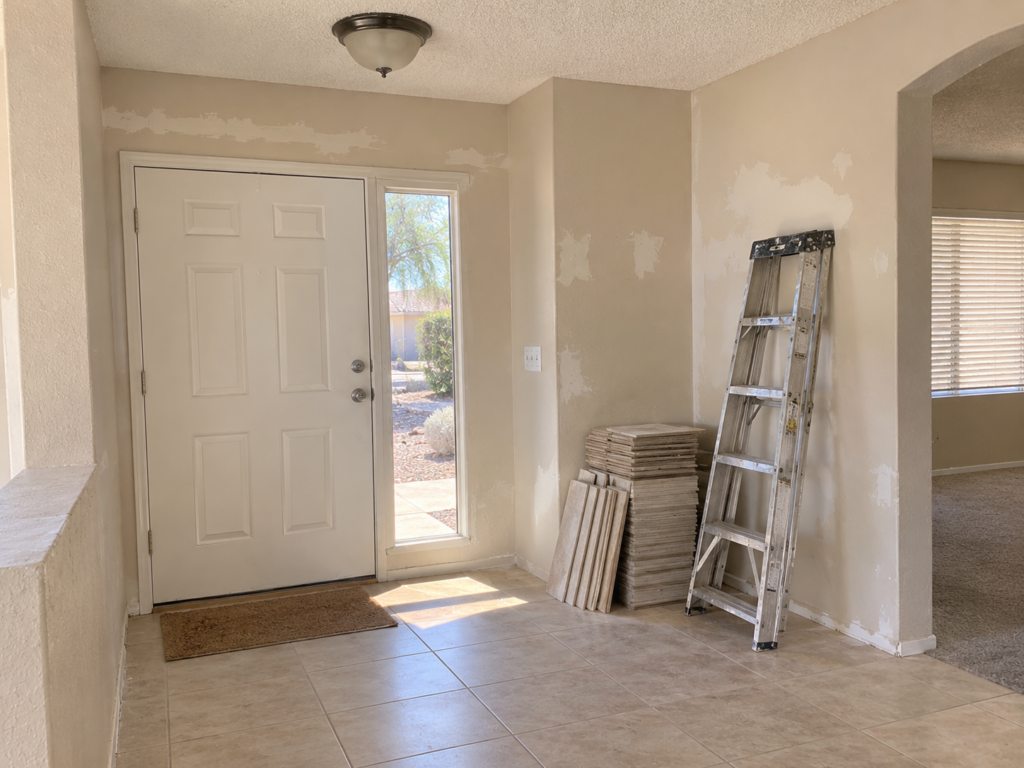
Mechanic’s liens rarely show up alone. Often there’s an unfinished project behind them — a kitchen half torn out, a room with no drywall, a contractor who walked off the job.
That’s the kind of house traditional buyers struggle with. You’re asking them to accept the lien question and the repair question at the same time.
Selling directly can make sense if:
- the remodel was never finished and you don’t want to hire someone new
- you want the lien handled through escrow without a lender in the middle
- you’d rather not hold the house for months while a dispute plays out
A Clear Path Forward
At Fast Ready Offer, we’ve purchased 80+ homes in Clark County. We buy houses as-is, including homes with unfinished work and liens that need to be cleared at closing. We work with title to sort out what’s owed so you know your numbers up front.
If you want to see what a direct sale would look like next to finishing the project and listing, you can request a no-obligation cash offer and compare the two.
No pressure. Just clear information.
Close on your terms.
Frequently Asked Questions
Can I sell my house in Las Vegas if a contractor put a lien on it?
Yes. A mechanic’s lien doesn’t stop a sale, but it usually has to be paid, released, or otherwise resolved before or at closing so the buyer gets clear title.
Can a subcontractor put a lien on my house if I already paid the contractor?
In some cases, yes. If the general contractor didn’t pay a subcontractor or supplier, they may be able to file a lien against the property. An attorney can tell you what applies to your situation.
How long does a mechanic’s lien last in Nevada?
Generally, the claimant has 6 months after recording the lien to file a lawsuit to enforce it. If they don’t, the lien generally stops binding the property unless a written extension was recorded.
Can a mechanic’s lien be paid at closing?
Often, yes. Like other liens, it can usually be paid from the sale proceeds through escrow, sometimes after negotiating the payoff amount.
What if I think the lien amount is wrong?
That’s a dispute worth talking through with a Nevada attorney. Disputed liens can sometimes be bonded off the property so the sale isn’t held up while the disagreement is resolved.
Will a cash buyer purchase a house with a mechanic’s lien?
Many will. At Fast Ready Offer, we buy houses as-is and work with title on liens that need to be cleared. We make a written cash offer within 24 hours, and you can close in as little as 7 days.