
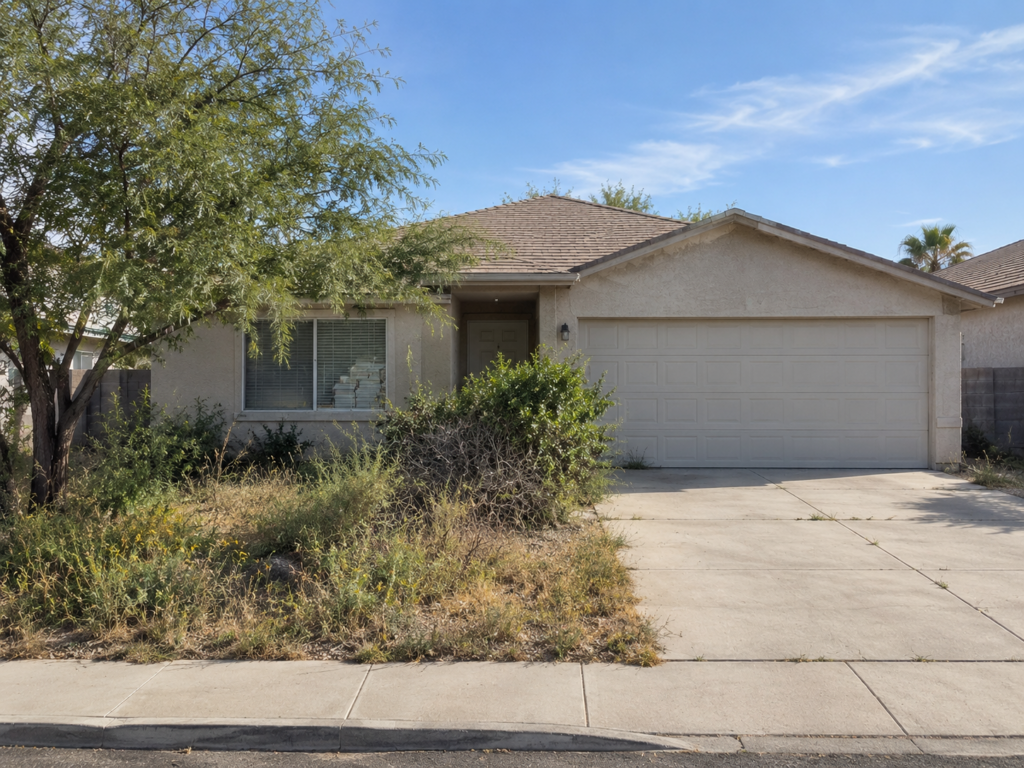
A tenant who stops paying rent turns a rental property into a monthly loss instead of income.
That alone is stressful. Add in not knowing how long it will take to resolve, and a lot of landlords freeze — waiting to sell until the tenant situation is “handled,” even when that could take months.
You don’t have to wait.
Why This Feels Different From a Normal Vacancy
An empty rental is a known problem: fill it, or sell it. A rental with a tenant who’s stopped paying is murkier. You’re still covering the mortgage, taxes, and insurance, but the rent that’s supposed to offset those costs has stopped. Meanwhile, the property isn’t vacant, so you can’t just list it and show it the way you would an empty house.
That combination — ongoing costs, no income, and limited access to the property — is why this situation tends to drag on longer than landlords expect.
What Actually Slows Things Down
- The eviction timeline is uncertain. Nevada’s process for handling nonpayment generally starts with formal notice and can move to the courts if the tenant doesn’t resolve it, but how long that takes varies by court schedule and the specifics of the case. Nobody can promise you a date.
- Financed buyers don’t want an occupied, non-paying situation. Most traditional buyers using a mortgage want to move in or need clear access for inspections and appraisals. A tenant dispute complicates all of that.
- Showings are hard to arrange. A tenant who isn’t paying rent isn’t always motivated to keep the house presentable for buyers walking through, and you may not have easy access to schedule it.
- The math keeps getting worse. Every month without rent is a month you’re covering the property’s full cost alone, on top of whatever legal fees the eviction process adds.
Where Landlords Usually Get Stuck
Most landlords in this situation feel like they have to pick one of two paths: wait out the full eviction process before doing anything, or accept a lowball offer from an investor who wants a steep discount for the trouble.
There’s a middle option worth knowing about — selling directly to a buyer who’s used to occupied and complicated situations, and who can structure a purchase around where things currently stand rather than requiring the property to be vacant and rent-current first.
What a Direct Buyer Actually Weighs
A traditional buyer looks at the property and assumes it’s ready to move into. A buyer used to landlord situations looks at the property differently — the lease status, whether the tenant is still in place, and what stage any legal process is at. None of those are automatic deal-breakers the way they would be for a financed buyer relying on a lender’s requirements.
That difference matters because it means you’re not stuck waiting for a single “clean” moment to sell. You can start the conversation about your options while the tenant situation is still working itself out, rather than putting your plans on hold until it’s fully resolved.
When Selling Directly Makes More Sense
A traditional listing generally works better when the property is vacant, in good shape, and you have time to manage showings. It gets harder when:
- rent has stopped and there’s no clear end date in sight
- you don’t want to keep funding an eviction process out of pocket while also covering the mortgage
- the tenant situation makes showings difficult or impossible to schedule
- you’re managing this from out of state, or you’re simply done being a landlord on this property
In those cases, a direct sale can end the financial bleeding faster than waiting for the tenant situation to fully resolve first.
A Clear Path Forward
At Fast Ready Offer, we’ve purchased 80+ homes in Clark County, including rental properties in the middle of tenant disputes. We buy as-is, and “as-is” includes the tenant situation — we’re familiar with occupied properties and properties working through an eviction, and we don’t require it to be resolved before we can talk numbers.
You can request a no-obligation cash offer and see what your options actually look like, without waiting for a court date to know where you stand. If you’re dealing with a tenant who simply won’t leave rather than one who’s stopped paying, what happens when a tenant won’t leave covers that closely related situation.
There’s no obligation, and no pressure to decide today.
Close on your terms.
FREQUENTLY ASKED QUESTIONS
Can I sell my rental property while a tenant isn’t paying rent?
Yes. You don’t have to wait until the tenant situation is fully resolved to explore selling, especially with a buyer familiar with occupied or in-process properties.
Do I have to finish the eviction process before selling?
Not necessarily, though it depends on the buyer. A traditional financed buyer usually wants a vacant, rent-current property. A direct cash buyer can often work with the situation as it currently stands.
What happens to the eviction if the house sells while it’s still in process?
This depends on the specifics of your case and Nevada landlord-tenant law. An attorney can tell you how a sale would affect an eviction already underway.
Do I need to tell a buyer that rent hasn’t been paid?
Being upfront about the property’s condition and situation, including tenant issues, is generally the cleanest path and helps avoid problems discovered later in the process.
How long does it typically take to resolve a nonpayment situation in Nevada?
It varies by court schedule and case specifics, and no one can guarantee a timeline. That uncertainty is part of why many landlords look at selling rather than waiting it out.
Will I get less money because the tenant hasn’t been paying?
Not necessarily. An as-is cash offer is based on the property itself, not a penalty for the tenant situation.
Do you buy occupied rental properties?
Yes. We work with landlords in a range of tenant situations, including nonpayment and properties mid-eviction.
What if I just want out of being a landlord altogether?
That’s a common reason people reach out to us, tenant issues or not. Selling as-is ends the ongoing responsibility without requiring repairs, showings, or a specific tenant outcome first.