
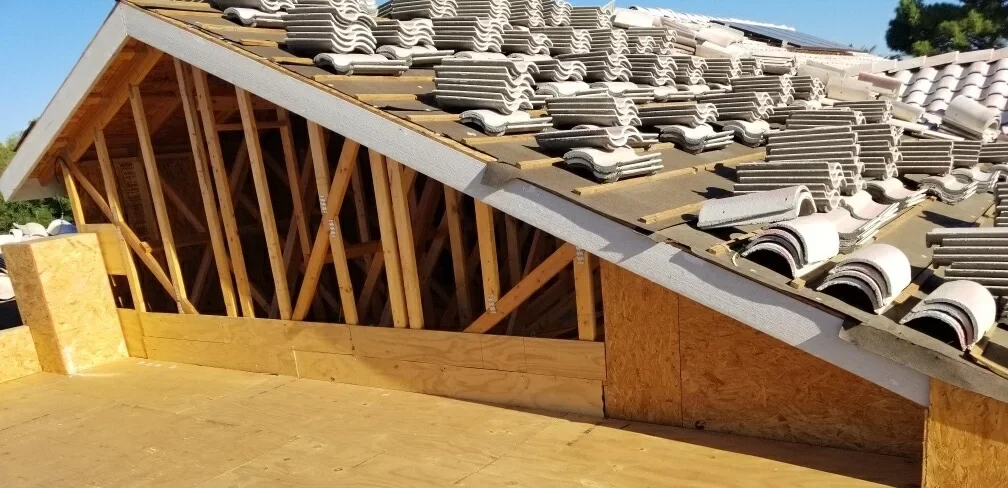
Sometimes the issue isn’t timing.
We buy houses in this condition. See how we buy Las Vegas houses as-is, with no repairs, cleaning or commissions.
It’s the condition of the property.
Many homeowners assume code violations automatically prevent them from selling.
That’s not actually true.
In Las Vegas, houses with code violations sell every week.
The key is understanding how they sell.
What Counts as a Code Violation?
Code violations can include:
unpermitted additions
electrical issues
structural concerns
overgrown property conditions
HOA violations
safety hazards
Some are minor.
Others create real obstacles during a traditional sale.
Why Code Violations Complicate Traditional Listings
When a home is listed on the open market:
buyers usually rely on financing
lenders require property standards
inspections become stricter
If violations appear during inspection, buyers may:
ask for repairs
request credits
cancel the contract
And sometimes lenders won’t approve the loan at all.
That’s where deals fall apart.
If your property also needs repairs beyond compliance issues, it helps to understand how to sell a house that needs major repairs before choosing your next step.
Why Some Sellers Choose an As-Is Sale Instead
Selling directly can allow homeowners to:
skip repairs
avoid correction deadlines
reduce holding costs
move forward faster
Instead of fixing everything first, some sellers prefer certainty.
Especially when timelines matter.
A Simpler Option for Properties With Violations
At Fast Ready Offer, we regularly speak with Las Vegas homeowners who assumed violations meant they couldn’t sell yet.
In many cases, they had more options than expected.
If you want to understand what your property could sell for in its current condition, you can request a no-obligation cash offer and compare that option with preparing the home for the traditional market.
Selling directly may be the most practical path forward when repairs or compliance issues are standing in the way.
- Selling with code violations or liens
- Can You Sell a House With Unpermitted Work in Las Vegas?
- Can You Sell a Condemned House in Las Vegas?
Get my cash offer or call (725) 210-6339